
Bringing home a new puppy marks the start of a wonderful journey. For a seamless and stress-free transition for your furry friend, preparation is paramount. Follow this guide to cover all your bases, from essential supplies to a rock-solid first-week routine.
Preparing Your Home: Puppy-Proofing is Priority #1
Before your puppy even walks through the door, you must ‘puppy-proof’ your living space. Puppies explore the world with their mouths, so anything reachable is a potential hazard or chew toy!
- Secure Hazardous Items: Place cleaning supplies, medications, breakables, and small objects (like children’s toys or shoes) out of paw’s reach.Cover Cords and Wires: Electrical cords and cables are tempting to chew and pose a severe danger. Secure them with cord covers or block access.
- Block Off Areas: Use puppy gates or pens to limit your puppy to a designated, safe “Puppy Zone” until they learn the house rules. This prevents accidents and unwanted chewing.
- Toxic Plants: Research and remove any house or garden plants that are poisonous to dogs
Essential Puppy Supplies Checklist
Having the right gear ready will make the first day much easier.
| Category | Item | Notes |
|---|---|---|
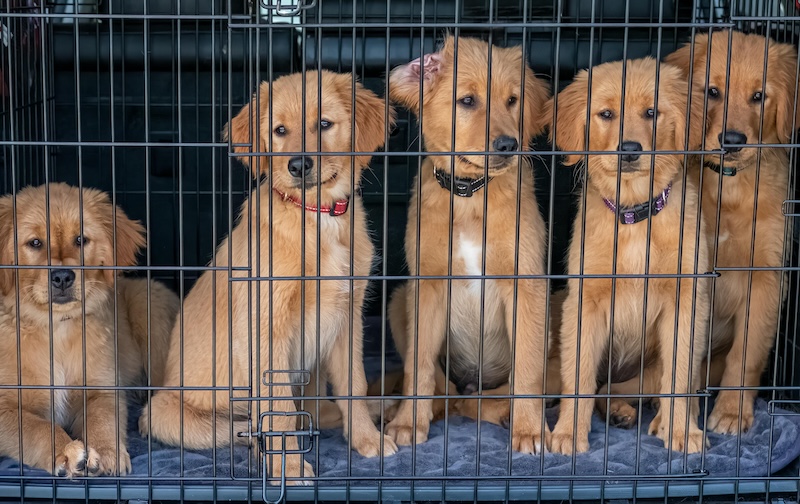
| Sleeping & Containment | Crate or Playpen | Your puppy’s secure, den-like space for safety, resting, and **crate training**. Buy one large enough for their adult size. |
| Sleeping & Containment | Comfortable Bedding | A washable bed, blanket, or mat. Try using an old blanket from the breeder for a familiar, comforting scent. |
| Feeding & Hydration | Food & Water Bowls | Non-slip stainless steel or ceramic bowls are best. Ensure fresh water is available at all times. |
| Feeding & Hydration | High-Quality Puppy Food | Stick to the **same food** the puppy was eating previously for the first week to avoid stomach upset. |
| Feeding & Hydration | Training Treats | Small, soft, high-value treats are essential for **positive reinforcement training** sessions. |
| Walking & Safety | Collar & ID Tag | Required by law in many regions. The tag must include your name and address. Check the fit daily. |
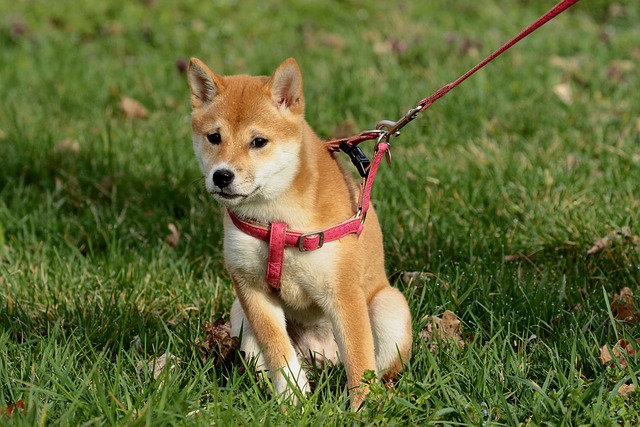
| Walking & Safety** | **Leash & Harness** | A lightweight leash and a comfortable, secure harness are recommended for safe walks once fully vaccinated. |
| Walking & Safety | Car Restraint | A crate or secure car harness/seatbelt is necessary for safe travel in the car. |
| Care & Hygiene | Poop Bags | Keep a large supply on hand—you’ll use them more than you think! |
| Care & Hygiene | Grooming Tools | Puppy-friendly brush, nail clippers, and dog-specific shampoo. Start introducing these early. |
| Care & Hygiene | Enzymatic Cleaner | Crucial for cleaning up indoor accidents. It neutralises the scent that encourages the puppy to return to the same spot. |
| Play & Chewing | Chew Toys | Get plenty of durable, appropriate chew toys (e.g., KONGs). **Redirect chewing** from furniture to these toys immediately. |
| Play & Chewing | Interactive Toys | Simple toys like balls or tug ropes for supervised play and bonding time. |
| Health & Admin | Veterinarian Contact Info | Register with a local vet before the puppy arrives for immediate check-ups and vaccine scheduling. |
| Health & Admin | Pet Insurance Policy | Research and enroll in a policy right away to cover unexpected medical costs. |
The First Day and First Week Care Guide
The first day is about making your puppy feel safe. Go slow and keep things calm.
1. The Journey Home
- Safety First: Secure your puppy in a crate or with a harness/seatbelt.
- Toilet Break: Before entering your home, take your puppy directly to the designated toilet spot in your garden. Praise them calmly if they go.
2. The First Hour
- Designated Area: Introduce them to their Puppy Zone (crate, pen, or a single puppy-proofed room) and their food/water bowls.
- Keep it Calm: Avoid overwhelming them. Don’t invite lots of visitors. Let them explore their new area at their own pace.
- Familiar Smells: Place the blanket or item with their litter’s scent in their bed/crate for comfort.
3. Establishing a Routine (Crucial for Training)
When you first bring a puppy home, its crucial to establish a predictable routine builds confidence and helps with housetraining.
Frequent Toilet Breaks:
You should take your puppy out:
- First thing in the morning.
- After waking up from a nap.
- After eating or drinking.
- After a play session.
- Last thing before bed.
Feeding Schedule: Stick to the same food and schedule as the breeder/rescue for the first week (typically 3-4 small meals).
Play and Naps: Puppies need a lot of sleep (18-20 hours a day!). Keep play sessions short and fun, then ensure they have quiet time for naps in their crate.
4. The First Night
The first night is often the hardest. Your puppy may cry because they are lonely.
- Sleep Setup: Place the crate next to your bed for the first few nights. Being close is reassuring.
- Comfort: A warm blanket, a ticking clock, or a comforting toy designed to mimic a heartbeat can help.
- Quiet Comfort: If they cry, you can gently place your fingers near them or use a low, calm voice. Do not let them out until it’s a scheduled potty break, otherwise they learn crying gets them attention.
Health and Socialisation
- Vet Check-Up: Schedule an appointment with your vet within the first few days. Bring all documentation (vaccination records, deworming schedule, etc.).
- Vaccinations: Your vet will outline the remaining vaccination schedule. Do not take your puppy to public places (parks, pavements) until they are fully vaccinated.
- Microchipping & Insurance: Ensure their microchip details are registered to you. Get pet insurance as soon as possible to cover unexpected vet bills.
- Early Socialisation (Safely): Between 8 and 16 weeks is a critical socialisation window. Introduce them to new sights, sounds, and safe, fully vaccinated dogs. Carry them in public to expose them to the outside world without risking illness.
By being prepared, consistent, and patient, you are setting the foundation for a happy, well-adjusted dog.